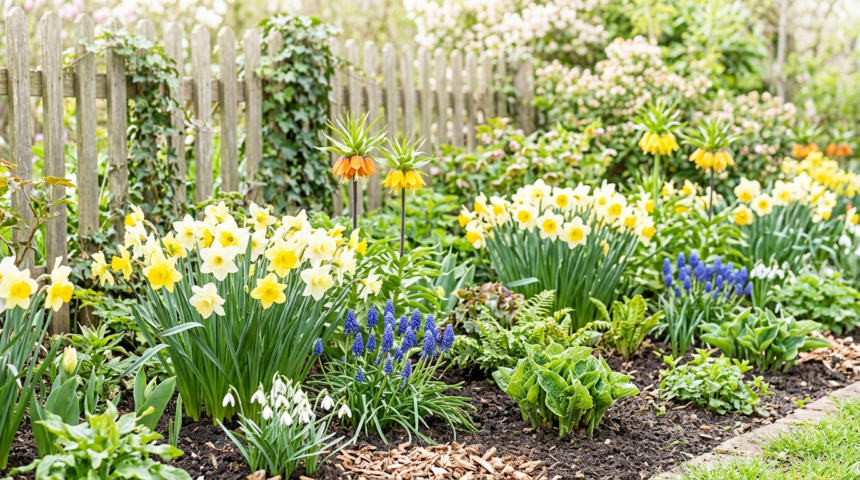
Gardeners planning spring displays can reduce animal damage by choosing bulbs that hungry wildlife tends to avoid. The strategy offers a practical first defense, but no plant can guarantee complete protection.
The guidance matters most when gardeners are selecting bulbs and deciding where to plant them. Choosing less appealing varieties early may limit losses and reduce the need for stronger control measures later.
Plant Choice Can Lower Risk
Animals searching for food may dig up bulbs or eat new growth. Instead of relying only on barriers, gardeners can make plant selection part of their protection plan.
“If you want to protect your spring garden from hungry animals, choose bulbs they don’t like.”
This approach uses animal preferences to the gardener’s advantage. Bulbs that are less palatable may be passed over, especially when more appealing food is available nearby.
However, animal behavior can change. Hunger, weather and local food supplies may affect whether wildlife samples a plant it would usually avoid. Different animal populations may also show different feeding habits.
No Bulb Is Fully Protected
The central warning is simple: resistance does not mean immunity. Even varieties described as animal-resistant can suffer damage under the right conditions.
“No plant is 100 percent critter-proof.”
That distinction can help gardeners set realistic expectations. Labels and recommendations should be treated as signs of lower risk, not promises that bulbs will remain untouched.
A garden may also face several types of damage. Animals can feed on bulbs underground, disturb newly planted soil or eat shoots after they appear. A bulb that discourages one visitor may not deter another.
A Layered Plan Offers More Protection
Choosing less-desirable bulbs works best as one part of a wider plan. Gardeners should observe which animals visit the property and where damage occurs before changing their planting strategy.
Useful steps include:
- Selecting bulbs known to be less attractive to local wildlife.
- Checking beds for digging, tracks or damaged shoots.
- Placing vulnerable plantings where they can be monitored.
- Using suitable physical protection when feeding pressure is high.
Regular checks are important during planting and early growth. Prompt action may prevent a small problem from spreading across a flower bed.
Expectations Shape Better Decisions
The advice reflects a basic trade-off in wildlife-resistant gardening. Less-palatable plants can reduce the chance of damage, yet changing conditions can still bring animals into planted areas.
Gardeners should judge success by reduced losses rather than perfect prevention. If damage continues, they may need to adjust bulb choices, locations or protective measures.
The clearest takeaway is to plan before spring growth begins. Selecting bulbs animals tend to dislike can improve a garden’s odds, but careful monitoring remains necessary. Future results will depend on local wildlife, available food and the pressure placed on each planting site.