


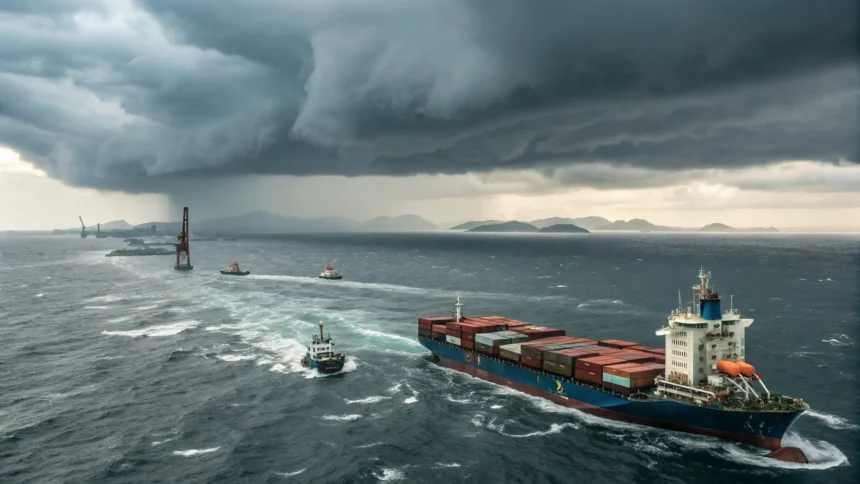
A coalition of 18 governments has warned that fragmented global shipping is putting supply chains and energy markets under growing pressure. The joint alert points to a broad international threat, as trade routes become less reliable and transport networks split along political and security lines.
The governments did not identify specific routes, countries, or policy measures in their warning. Still, the statement signals concern that shipping disruptions could spread through energy prices, factory production, food supplies, and household costs.
“Global supply chains and energy markets are under pressure from the fragmentation of global shipping.”
Fragmentation Raises Costs and Delays
Global shipping depends on predictable routes, shared rules, and access to major ports and canals. Fragmentation occurs when carriers must avoid certain waters, comply with competing trade rules, or divide operations among separate markets.
Such divisions can force ships to take longer routes. That increases fuel use, insurance expenses, labor costs, and delivery times. Importers may then pass part of those costs to consumers.
The effects can move quickly through supply chains. Many manufacturers rely on parts delivered from several countries. A delay at one stage can slow an entire production line, even if other suppliers remain on schedule.
Recent history has shown how exposed these systems can be. The COVID-19 pandemic caused port congestion, equipment shortages, and sharp changes in consumer demand. The blockage of the Suez Canal in 2021 also demonstrated how one shipping incident could disrupt trade across several regions.
Energy Markets Face Added Risks
Energy trade is highly dependent on maritime transport. Oil, liquefied natural gas, coal, and refined fuels travel through a limited number of ports and narrow sea passages.
If shipping networks split further, energy cargoes may need to travel greater distances or use fewer available terminals. Buyers could also face reduced access to suppliers because of sanctions, conflict, or incompatible trading rules.
Several economic risks follow:
- Higher freight and maritime insurance costs
- Longer delivery times for fuel and industrial goods
- Greater price differences between regional markets
- More pressure on countries that depend heavily on imports
Energy-importing economies may be especially exposed because they have limited control over transport routes. Exporters also face risks if buyers shift to other suppliers or if ports lose access to major shipping services.
A Warning With Few Policy Details
The size of the coalition gives the warning political weight. However, the lack of named governments and proposed actions makes its policy impact difficult to assess.
Governments could respond by coordinating maritime security, keeping trade routes open, and aligning customs procedures. They may also encourage companies to use more suppliers, maintain larger inventories, or build backup transport plans.
Those measures involve trade-offs. Extra stock and alternate routes can protect businesses from disruption, but they also raise operating costs. Efforts to move production closer to consumers may improve reliability while reducing the cost advantages of global sourcing.
Shipping companies must make similar choices. Avoiding dangerous routes may protect crews and vessels, yet longer voyages can reduce available shipping capacity. Returning too early could expose workers and cargo to unacceptable risks.
Coordination Will Shape the Response
The warning suggests that governments view shipping fragmentation as more than a transport problem. It links maritime instability to inflation, energy security, industrial output, and access to essential goods.
The next test will be whether the 18 governments issue specific commitments. Key signs include agreements on secure routes, shared trade rules, port access, and support for economies most exposed to higher transport costs.
Without coordinated action, companies are likely to build more expensive backup systems on their own. That may reduce some risks, but it could also deepen regional divisions and keep prices elevated. Clear policies and stable shipping access will be central to limiting the economic damage.