


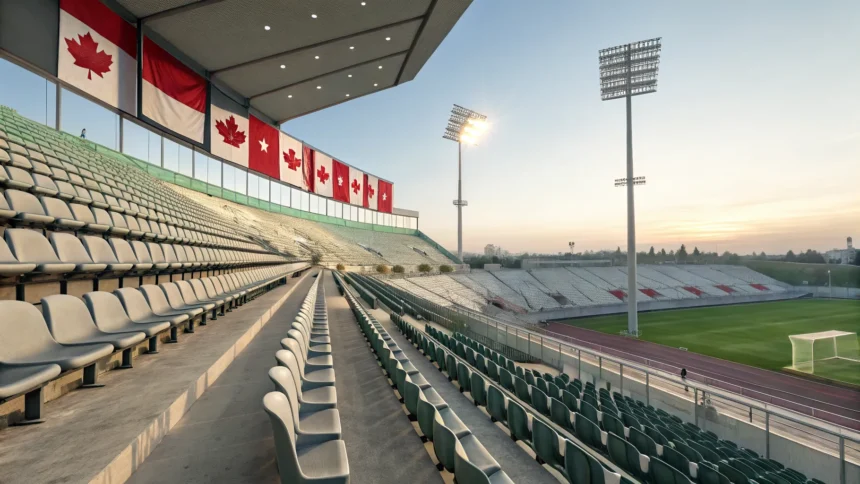
Soaring ticket prices are taking the air out of Canada’s World Cup buzz, with seats still available for every match slated for Canadian soil. The lag in sellouts has raised concern among fans, city officials, and event planners who hoped for a surge of early demand. With kickoff months away, the question is whether price cuts, promotions, or simply time will move the market.
Ticket prices in Canada may be dampening the World Cup mood as not a single game hosted in this country has sold out.
Canada is set to host matches as part of a global tournament that historically packs stadiums and fills fan zones. Yet the early sales picture points to a more cautious consumer, balancing household costs against premium seat prices and travel. Organizers face a delicate task: keep revenue targets intact while ensuring the stands look full on match day.
Sticker Shock Meets Soccer Hype
Fans expected a rush for tickets when sales windows opened. Instead, many reported hesitation after seeing price tiers that, in some cases, rival top concert tours. Families trying to buy seats together say the total cost quickly adds up when parking, food, and merchandise are included.
Event planners argue that major tournaments rely on a blend of premium and accessible pricing. But the current mix appears to be testing the limits of what casual fans will pay. Supporters on social media describe holding off in the hope of future discounts, citing uncertain matchups and weekday kickoffs as added friction.
Why Prices Are High—and Who Feels It Most
Several forces are pushing prices up. The event requires new infrastructure, expanded security, and complex logistics. Host cities shoulder costs for transportation, public safety, and fan zones. Organizers often set pricing to recover outlays over time.
- Dynamic pricing can raise seat costs when demand spikes for certain matches.
- Exchange rates and higher local living costs strain fan budgets.
- Uncertainty about which teams will play in specific fixtures dampens early purchases.
- Large stadiums need flexible tiers, but the best sightlines carry hefty premiums.
These realities hit price-sensitive buyers first. Youth teams, casual followers, and families are the most likely to wait for sales or choose viewing parties over stadium seats. Dedicated supporters often buy early, but even some long-time fans say they are weighing fewer matches or cheaper sections.
Lessons From Past Mega-Events
Canada has a record of strong turnouts for major sports, from international soccer to winter sports showcases. Those events benefited from clear schedules, strong local storylines, and tiered prices that gave families entry points. The current ticket cycle, by contrast, features complex seat maps, variable fees, and lingering questions about match pairings.
Sales for global tournaments often follow a pattern: a rush at launch, a lull, then a surge as teams qualify and fixtures are locked in. Resale platforms also shape the final picture. If inventory remains high close to kickoff, prices can fall sharply, drawing in the on-the-fence buyer.
Impact on Host Cities and the Event
Slow early sales ripple through local plans. Hotels and restaurants calibrate staffing to expected crowds. City budgets tied to fan festivals rely on sponsor interest, which rises with public excitement. Empty seats on television can dampen the atmosphere that global viewers expect from a marquee event.
There is also a reputational stake. Packed stadiums help justify public investment and attract future events. If attendance lags, pressure builds on organizers to adjust pricing or add community programs that put more locals in the stands.
What Could Change the Trajectory
Analysts point to practical steps that often move tickets without collapsing revenue. Bundled family sections, partial-season packages for local fans, and last-mile deals on transportation can tip decisions. Transparent fee structures and clear refund policies also build trust.
Organizers can lean on targeted offers. Youth club allocations, neighborhood nights, and partnerships with schools can fill upper tiers while building long-term interest in the sport. More certainty about matchups—once brackets settle—usually drives a late sales wave.
For fans, patience may pay. Prices can soften as kickoff nears, especially for weekday matches or games without headline teams. For stadiums and cities, the focus is keeping momentum alive with community events that turn interest into attendance.
For now, the ticket story is a caution flag, not a verdict. If pricing shifts and fixtures sharpen, demand could still surge. But the early message is clear: in a year of tight budgets, even world-class soccer must meet fans where they are.