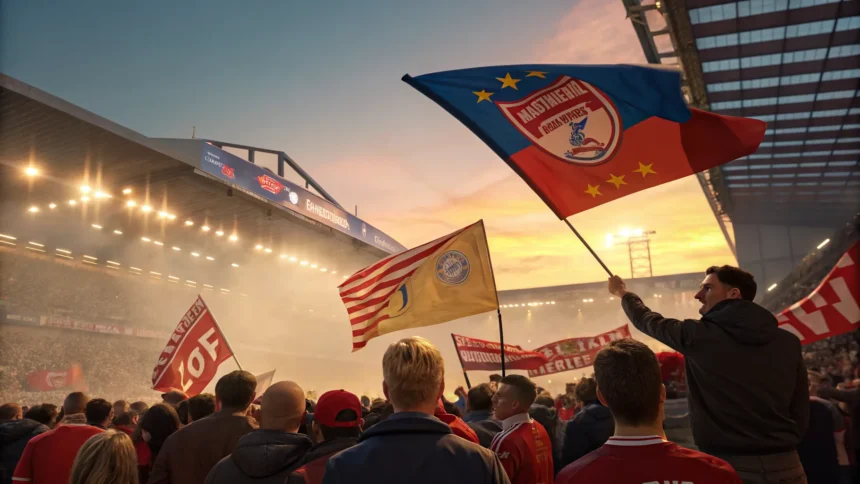
With the 2026 World Cup set to kick off on June 11 across 11 cities in the United States, fans are already hunting for tickets, deals, and safe ways to buy. Interest is high, and confusion is growing about where to shop online and whether promo codes exist. The core question for many is simple: how to get in, without getting burned.
The tournament is the first men’s World Cup staged across three nations: the United States, Canada, and Mexico. The U.S. will host the majority of matches, including group and knockout rounds across major stadiums. Ticket demand is expected to be intense, especially in large markets and for marquee teams.
“World Cup 2026 takes place across 11 cities in the United States starting on June 11: Here’s where to find, shop, and buy tickets online; promo codes.”
Official Sales: What to Expect
FIFA manages ticketing for the tournament. Historically, sales roll out in phases, starting with a draw or lottery, followed by first-come, first-served windows. The safest path runs through the official ticket portal and its verified resale program, which launches closer to the event.
Past tournaments required a FIFA account and identity checks. Buyers could request seats by price category rather than by exact seat location. Payment windows were strict, and unpaid reservations were canceled quickly. Similar steps are expected in 2026.
Promo codes are not a feature of official FIFA ticketing. Any codes seen online likely come from third-party resellers or marketing partners, not from FIFA. Fans should treat discount promises with skepticism.
Resellers, Pricing, and Risk
Third-party marketplaces will list tickets as soon as teams and schedules firm up. Prices can swing widely based on star players, match stakes, and venue size. Some sites add heavy fees at checkout. Others use speculative listings that are not in the seller’s possession.
Consumer advocates advise buyers to confirm delivery timelines, refund policies, and transfer method before paying. Cards with strong purchase protection help if something goes wrong. Fans should avoid deals that require wire transfers or gift cards.
Many scams crop up around major events. Common red flags include “too good to be true” pricing, requests to move off a platform’s messaging system, and sellers refusing to use a secure transfer.
Host Cities and Travel Pressure
The U.S. will stage matches in 11 cities, adding strain to flights and hotels on match days. Travel costs will likely spike around key games and weekends. Early planning will save money, even before tickets are in hand.
Local officials in host cities have outlined transit upgrades and fan zones to handle crowds. Some stadiums will install temporary seating or adjust entry points to speed up screening. The largest venues could see several games, which compounds demand for nearby lodging.
Format Changes Drive Demand
The 2026 tournament expands to 48 teams, increasing the number of matches and opening more slots for fans. While that raises supply, it also brings more traveling supporters. Teams with strong followings can drive prices higher far from their home regions.
Group-stage tickets are often easier to secure than knockout matches. Finals and semifinals will be the hardest seats to get. Fans flexible on dates and cities will have better odds in early sales phases.
How to Prepare Now
- Create and verify a FIFA ticketing account in advance.
- Set alerts for official sales announcements and deadlines.
- Decide on a budget by price category, not exact seats.
- Book refundable travel and lodging near likely match days.
- Use payment methods with strong fraud protection.
What About Promo Codes?
Expect them from resellers and travel partners, not from the official portal. Codes may reduce fees or bundle extras, but they often come with limits on seat categories or delivery methods. Fans should compare the final checkout price across multiple sources, including the official platform and its verified resale, before buying.
If a code requires leaving a recognized marketplace or paying outside a secure checkout, skip it. The small savings are not worth the risk of invalid or non-transferable tickets.
Consumer groups recommend documenting every step of a purchase. Save order numbers, screenshots, and seller terms. If a match is moved or rescheduled, clear records speed up refunds or reissues.
The run-up to June will be noisy, with hype, rumors, and fast-moving sales windows. The cleanest path remains the official system and its verified resale. For everything else, caution and patience matter. Fans who prepare early, stay flexible on dates and cities, and ignore flashy discounts will have the best chance to get in the gate.
As schedules finalize and sales phases open, watch for official announcements on timing, identity checks, and resale rules. The key takeaway is simple: buy through trusted channels, plan early, and do not chase risky deals. That approach will matter even more once the biggest matches land on U.S. soil this summer.