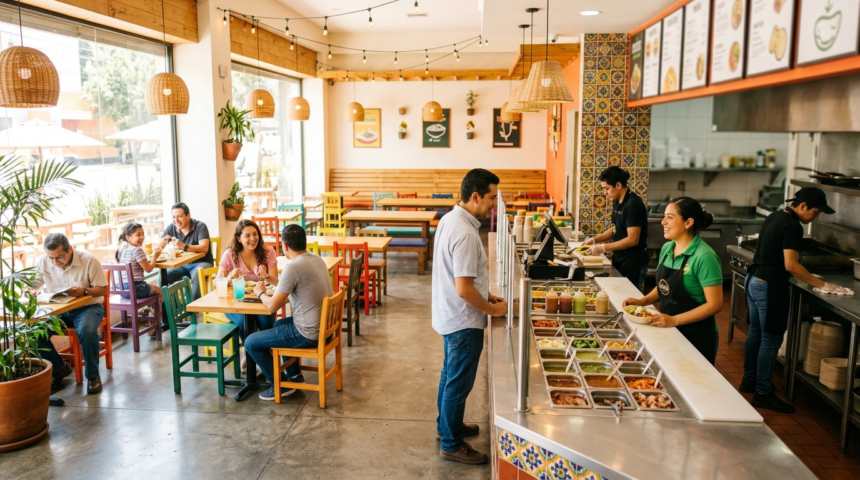
A Mexican fast-casual restaurant chain reported weaker customer traffic in the second half of July, yet maintained a more upbeat view of its full-year prospects.
The mixed update points to a key challenge for restaurant operators. Short-term visits may soften even as management expects broader business trends to improve over the remaining months.
Late-July Traffic Loses Momentum
The chain acknowledged a “softening” in traffic during the latter half of July. The company did not provide a customer count, sales figure, or geographic breakdown with the update.
Traffic measures how many customers visit a restaurant, either in person or through other ordering channels. It differs from revenue, which can rise even when visits fall if menu prices or average order sizes increase.
A slowdown lasting part of one month does not establish a long-term trend. Still, the timing matters because customer visits are a closely watched measure of demand and brand health.
The chain reported “softening” traffic in the second half of July.
The limited disclosure leaves several questions unanswered. It is unclear whether the weakness continued after July, affected the full restaurant network, or reflected a brief change in consumer behavior.
Full-Year Outlook Remains More Positive
Despite the late-July decline, management took a rosier view of the full year. That suggests the company believes the slowdown will not prevent it from meeting, or possibly improving, its annual expectations.
The contrast may reflect confidence in sales during other parts of the year. It could also signal expectations for stronger restaurant operations, larger customer orders, or improved performance at newer locations. No specific reason was given.
Investors and analysts will likely compare future results against several measures:
- Customer traffic after July
- Sales at restaurants open for a comparable period
- Average spending per order
- Any change to annual financial guidance
A brighter annual assessment can reassure stakeholders, but it does not remove the risk tied to weaker visits. Restaurant companies need steady traffic to support long-term growth without relying too heavily on price increases.
Mixed Signals Require More Evidence
Fast-casual chains sit between traditional fast food and full-service restaurants. Their customers often weigh convenience and food quality against price, making visits sensitive to changes in household budgets.
For that reason, a traffic decline may have several possible causes. Consumers may reduce restaurant spending, switch to lower-priced options, or change routines during summer travel. Company-specific factors, including promotions and service speed, may also influence visits.
The update does not show which explanation applies. It also offers no evidence that the July pattern affected the wider Mexican fast-casual category.
The next company report should provide a clearer test of management’s optimism. Sustained traffic improvement would support the more positive full-year view. Continued weakness would place greater pressure on sales growth and annual targets.
For now, the company’s message is cautious but confident: visits weakened late in July, while expectations for the full year improved. The durability of that outlook will depend on whether customers return in greater numbers during the months ahead.