


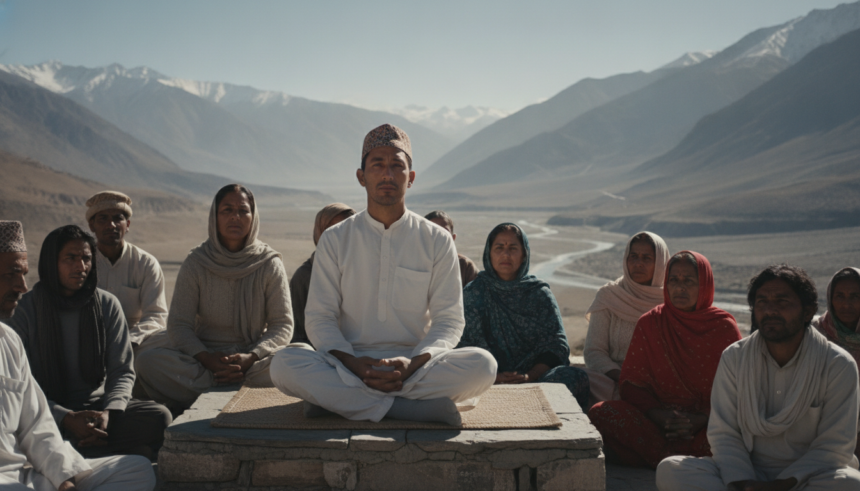
Social activist Sonam Wangchuk has called on people across India to join a protest hunger strike, stressing non-violence and democratic engagement in a video message posted online this week. He framed the appeal as a way to strengthen an ongoing movement and to raise public awareness, asking supporters to act peacefully and lawfully.
A Call for Non-Violent Mobilization
Wangchuk, known for his public service and advocacy work, centered his message on civic participation without confrontation. He asked citizens to add their voices to a national action linked to the Cockroach Janta Party (CJP), a protest collective, and to do so in a calm and organized way.
“I urge people across the country to join the Cockroach Janta Party protest hunger strike,” he said. “Let us take part peacefully and show the strength of citizens’ collective voice, democratic values, and non-violent action.”
His appeal focused on discipline, respect for the law, and the idea that peaceful gatherings can channel public concern into visible pressure for change.
Background: A Tradition of Peaceful Protest
India has a long history of non-violent protest. Mahatma Gandhi used fasting as a tool of moral appeal during the freedom movement. In recent decades, activists such as Irom Sharmila and Anna Hazare also used hunger strikes to draw attention to public causes. These actions often serve as symbolic tests of public and political will, placing the focus on conscience and restraint rather than force.
Wangchuk’s message fits that tradition. By urging calm participation, he linked the effort to values many Indians recognize as central to public life: debate, dissent, and peaceful assembly. The Indian Constitution protects free speech and peaceful assembly, subject to reasonable restrictions, which means any large gathering usually requires coordination with local authorities.
Supporters See Momentum, Skeptics Seek Clarity
Supporters say a coordinated, non-violent fast can draw attention when other channels feel blocked. They argue that a nationwide effort, carried out with patience and order, can push issues onto the public agenda. “This is about awareness and unity,” Wangchuk said, urging citizens to act without anger.
Critics, however, often question the clarity of goals in fast-based protests. They ask whether the organizers have defined achievable demands, timelines, and negotiation paths. They also raise concerns about misinformation on social media and the risk of gatherings straying from peaceful discipline if not well managed.
Public health experts warn that hunger strikes carry real risks. Extended fasting can lead to dehydration, dizziness, and organ stress. Even short fasts require care, especially for people with underlying conditions.
Managing Safety and Lawful Assembly
Large public actions usually need permits and ground rules. Police often set routes, crowd limits, and time frames to manage safety. Organizers who cooperate with local officials typically face fewer disruptions and help keep participants secure. Clear communication about the protest’s purpose, schedule, and conduct standards can reduce confusion and prevent escalation.
Experienced civil society groups recommend volunteer marshals to guide crowds, first-aid stations, and protocols for ending a fast safely. Visible codes of conduct, such as no slogans that incite hate and strict instructions against property damage, help protect the character of a peaceful event.
What Participants Should Keep in Mind
- Remain peaceful; avoid confrontation and follow marshals’ guidance.
- Verify time, location, and permissions with trusted sources.
- Respect local laws and police instructions.
- Know the health risks of fasting; those with medical conditions should avoid it.
- Carry water, identification, and emergency contacts.
- Document events responsibly; do not spread unverified claims.
A Test of Discipline and Purpose
Wangchuk’s call highlights a core idea: peaceful civic action can amplify public concerns while respecting democratic norms. The coming days will show whether his message translates into organized participation and whether the CJP’s goals are presented with enough clarity to guide talks with authorities or other stakeholders.
The outcome may hinge on three factors. First, the scale and discipline of turnout. Second, the specificity of objectives and willingness to negotiate. Third, the response from local administrations in granting and managing public space. If those pieces align, a non-violent fast can focus attention without putting public safety at risk.
For now, the call stands as an appeal to conscience and restraint. Observers will watch for clear demands, arrangements for safe assembly, and strict adherence to non-violence—benchmarks that will shape public trust and the movement’s next steps.