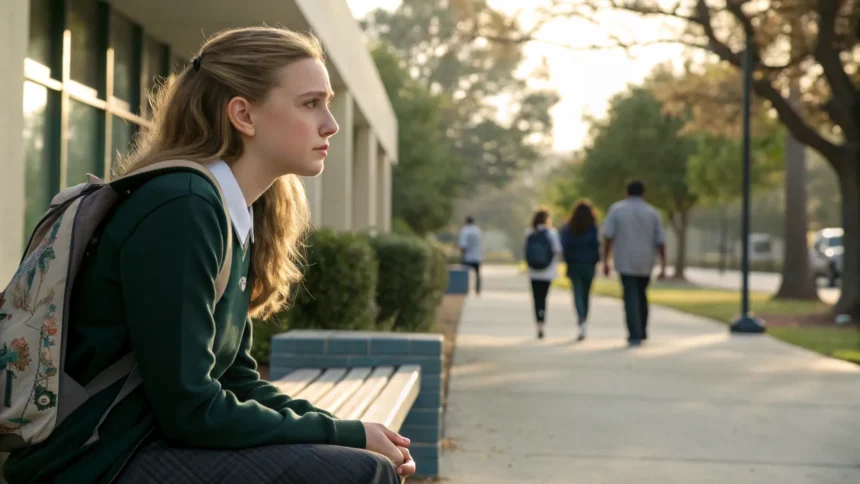
A South Carolina high school student collapsed on campus after keeping quiet about heart symptoms, prompting a plea to peers: speak up before a scare becomes a crisis. Emilee Sparks, who had been managing a heart condition, says she hid warning signs from friends and teachers until she could no longer ignore them. Her experience is now a call to action for young people to be open about their health, at school and at home.
The incident took place during a school day, where routine classes turned stressful when Sparks lost consciousness. Staff responded and she received medical care. She later shared that she had chosen not to disclose how she was feeling, fearing she would worry others or be treated differently. That choice, she says now, was risky.
A Silent Risk Among Young People
Heart conditions in teenagers are uncommon but can be dangerous when symptoms are missed or dismissed. Doctors say some issues are inherited or develop during growth, and many show few signs until stress, exertion, or dehydration triggers a problem. Families often only learn of these conditions after a fainting episode, chest pain, or shortness of breath during activity.
Health groups encourage routine sports physicals and prompt evaluation of red flags. They also urge students to report symptoms early. That advice is not always easy to follow in a school setting, where teens can feel pressure to push through discomfort.
‘Share Your Health Story’
“Share their health stories with the people in their lives,” Sparks said, urging classmates to tell friends, teachers, and coaches when something feels off.
Sparks explained that she did not want to be seen as fragile or cause concern. After her collapse, she changed her mind about staying quiet. She is now speaking openly with peers and educators about the symptoms she ignored and the importance of having a plan in case of an emergency.
Her message resonates with counselors and school nurses who often see students downplay problems. They say early disclosure helps staff respond faster and can prevent dangerous outcomes. It also allows schools to adapt schedules, manage stress, and connect families with care.
What Schools and Families Can Do
Experts recommend practical steps to make campuses safer and give students confidence to report concerns. Simple changes can save time and reduce risk during an emergency.
- Encourage students to report chest pain, shortness of breath, palpitations, or fainting right away.
- Ensure staff know how to use an automated external defibrillator (AED) and where it is located.
- Keep care plans on file for students with known conditions and update them each semester.
- Promote a culture where seeking help is normal, not a sign of weakness.
Coaches and club leaders play a key role. They are often first to notice a student who tires quickly, looks pale, or asks for frequent breaks. Quick reporting to the school nurse can prompt timely evaluation.
Balancing Privacy and Safety
Students have a right to privacy, and many worry about stigma. Sparks’ experience shows the cost of staying silent can be high. Schools can respect privacy while still preparing for emergencies. That includes limiting need-to-know details to key staff and using neutral language in classrooms and teams about health check-ins.
Parents can support teens by framing disclosure as strength, not a label. They can also help their child practice how to describe symptoms to adults and friends. Trusted peers can serve as allies, alerting staff if a classmate feels unwell.
Looking Ahead
Sparks plans to keep speaking about health honesty. She hopes her story will help other students avoid a similar scare and feel comfortable asking for help. Her message is simple and direct, and it is one schools can echo.
Her collapse is a reminder that even rare risks deserve attention. The takeaway is clear: open conversation, practical planning, and quick action can protect young lives. Communities should watch for efforts that expand AED access, train more staff, and normalize symptom reporting. In classrooms and on fields, speaking up may be the difference between a close call and a tragedy.