


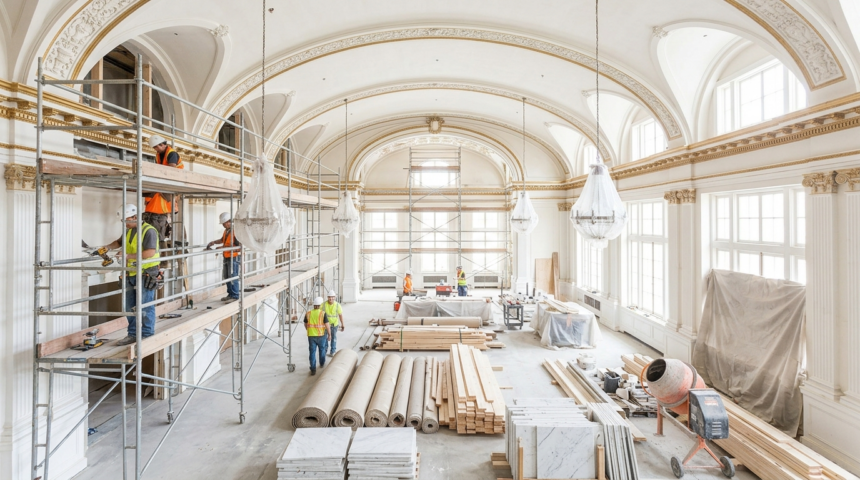
The Supreme Court has allowed construction to continue on President Donald Trump’s $400 million White House ballroom while his administration challenges a judge’s order stopping the project.
The decision keeps work moving during the appeal. It does not, based on the available information, settle the legal dispute over the project or decide whether construction may continue permanently.
Construction Continues During Appeal
The White House ballroom project carries a reported price of $400 million. The Supreme Court’s action prevents the lower court’s halt from taking immediate effect while the administration seeks further review.
The temporary outcome gives the White House permission to proceed despite the unresolved court fight. It also limits the immediate effect of the judge’s earlier order.
“The Supreme Court is allowing the White House to continue construction on President Donald Trump’s $400 million White House ballroom project while his administration appeals a judge’s order halting the work.”
Key details about the underlying dispute were not provided. Those include the legal basis for the judge’s order, the planned size of the ballroom, the construction schedule, and the source of project funding.
A Temporary Legal Victory
The Supreme Court’s intervention represents an immediate win for the Trump administration. However, permission to continue work during an appeal differs from a final ruling on the merits.
Courts can pause or limit lower-court orders while legal challenges proceed. Such action often reflects concerns about what may happen before an appellate court can issue a full decision.
In this case, continued construction may create practical consequences. Work completed during the appeal could make later changes more costly or difficult if the administration ultimately loses.
At the same time, stopping a major construction project can produce delays and added expenses. The administration’s position, as reflected by its appeal, is that the lower court’s halt should not control while the case is reviewed.
Questions Surrounding the Project
The dispute places attention on executive authority, court oversight and changes to one of the nation’s most prominent government properties.
Several issues will shape the project’s future:
- The appeals court’s treatment of the judge’s order.
- The legal claims used to challenge construction.
- The government’s authority to proceed with the ballroom.
- The effect of continued work on any later remedy.
The reported $400 million cost also increases public interest in the case. Large federal construction projects often face scrutiny over spending, approval procedures, preservation standards and accountability.
What Happens Next
The administration’s appeal will determine whether the lower-court order remains valid and whether the ballroom project can proceed under its current plans.
Further court filings may disclose why the judge stopped the work and why the Supreme Court allowed it to continue. They may also clarify whether the relief is subject to deadlines or other limits.
For now, construction can continue, but the project’s final legal status remains unsettled. The next major development will come from the appellate process, where judges will examine the dispute in greater detail.
The case may also influence how courts handle future conflicts involving presidential construction projects. The central question is no longer whether work can proceed today, but whether the administration can preserve that authority after a full legal review.