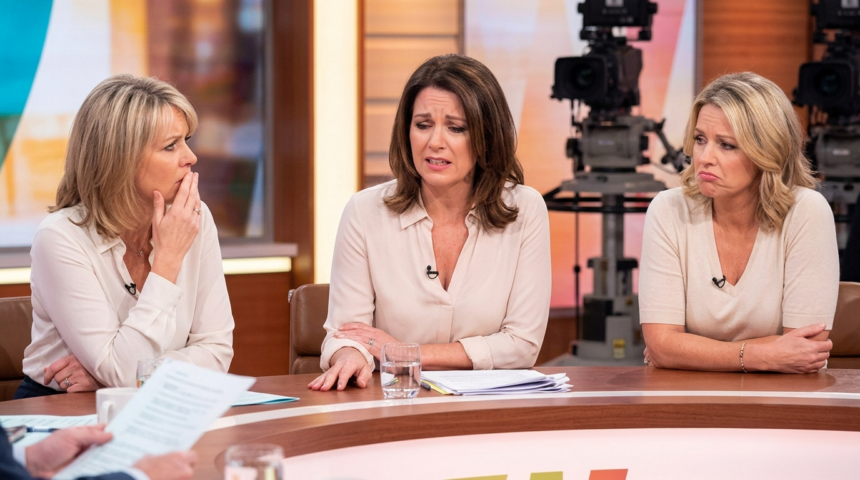
A co-host of “The View” has drawn outrage after criticizing the grieving father of three children killed by their mother in January 2023. The remarks focused on his decision to leave Lindsay Clancy, turning a family tragedy into a heated public debate about grief, blame and mental illness.
Clancy killed her children, Cora, 5, Dawson, 3, and Callan, 8 months. The case has remained deeply painful because it involves three young victims and two parents whose lives were shattered.
Criticism Centers on a Grieving Parent
The backlash reflects concern about directing judgment at a parent who lost all three children. Critics argued that public commentary should not assign personal blame without knowing the full circumstances surrounding the father’s choices.
The co-host’s criticism also raised questions about how television programs discuss criminal cases involving families. Daytime talk shows often mix news, opinion and personal reaction. That format can produce blunt judgments before viewers receive enough context.
The co-host criticized the grieving father for leaving Lindsay Clancy after she killed their three children.
For many observers, the order of events matters. The father was not simply ending a relationship. He was responding to the deaths of Cora, Dawson and Callan, as well as the criminal case involving their mother.
Public anger appears rooted in the belief that grief does not follow a single acceptable path. A surviving parent may need distance, privacy or separation. Those decisions can be difficult to judge from outside the family.
A Case Marked by Loss and Difficult Questions
The killings occurred in January 2023. The ages of the children made the case especially distressing:
- Cora was 5 years old.
- Dawson was 3 years old.
- Callan was 8 months old.
The case sits at the intersection of criminal accountability, parental grief and mental health. Each issue requires care. Discussion of a defendant’s condition should not erase the children, while sympathy for a grieving father should not require easy answers about the mother.
That tension can be lost in short television segments. Strong opinions may increase audience reaction, but they can also reduce a complex case to a dispute over one person’s conduct.
Media Commentary Carries Real Consequences
High-profile commentators have broad freedom to express opinions. Yet that freedom brings added responsibility when discussing homicide, bereavement and surviving relatives.
Statements about a grieving person may shape how millions of viewers understand the case. They can also expose relatives to renewed scrutiny long after the initial deaths.
A more careful discussion would separate confirmed facts from personal conclusions. It would also recognize that the public does not have full access to private conversations, legal advice or clinical information affecting the family.
The controversy is unlikely to settle the larger questions raised by the Clancy case. It does, however, show the risks of treating private grief as a subject for quick judgment. Future coverage will be measured by whether it centers the three children, reports legal developments accurately and gives surviving relatives space to grieve without added blame.